Lip Neutralization Before and After: How to Read Results Realistically
The most useful lip neutralization before-and-after comparison shows the same person in similar light, without filters, after the color has healed—not only immediately after the appointment. Fresh pigment can look brighter and warmer, while swelling, dryness and phone processing can exaggerate a change. A photograph can help you ask better questions, but it cannot promise your final shade or confirm that you are a candidate. Eugene Kay Beauty is in Burbank and accepts consultation requests from Silver Lake clients who want a realistic assessment before booking.
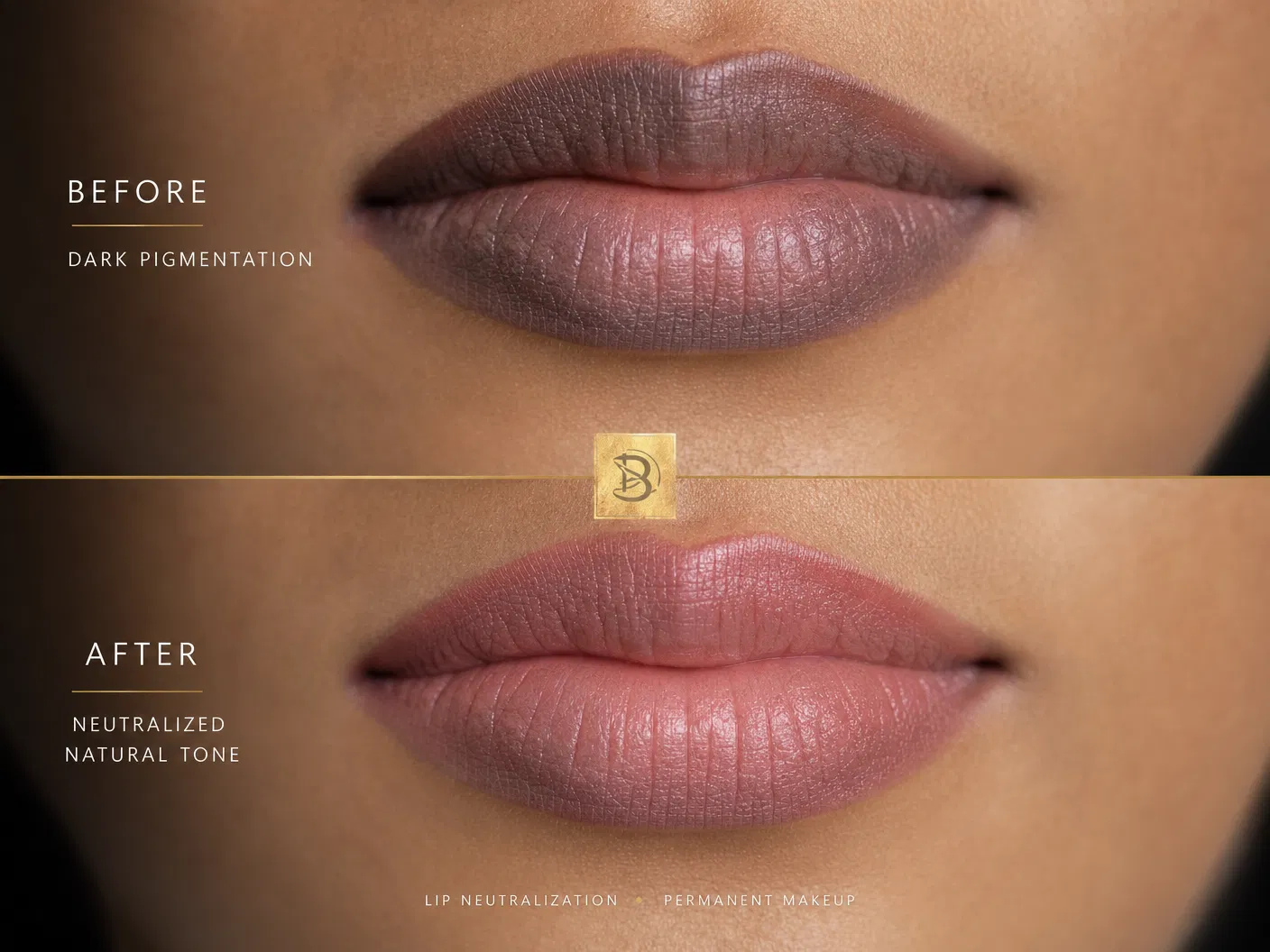
A credible comparison has more than two pictures
A single “before” beside a glossy, freshly treated “after” answers only one question: what the lips looked like at two different moments. It does not show how the corrective pigment settled. For dark lip neutralization, the more useful sequence is before treatment, immediately after treatment, and healed after the artist’s recommended review interval. If another session was performed, that step should be labeled separately.
Look for plain descriptions rather than dramatic promises. A trustworthy caption should tell you whether the result is fresh or healed, whether it follows one session or several, and whether lipstick, tinted balm or a filter is present. If the timing is unclear, treat the photograph as inspiration—not evidence of the result you will receive.
- Before: natural lips without lipstick or a color filter
- Fresh: immediately after treatment, when color and swelling may be stronger
- Healed: photographed after the surface has recovered and the color has settled
- Later session: identified separately instead of being presented as a one-appointment result
Compare light, angle and lip condition before comparing color
Lighting can create a larger apparent change than pigment. Warm indoor light can make lips look more coral; cool daylight can emphasize blue or purple undertones. Exposure, white balance and automatic phone enhancement can also brighten skin and lips. Compare the background, skin tone and shadows in both images. If the entire face changes color, the lip comparison is not controlled.
The lips should be shown at a similar distance and angle. Gloss, ointment and wet lips reflect light and can make color look brighter and texture look smoother. Dryness can make a healed result appear uneven. A relaxed mouth is useful because stretching or pressing the lips changes the visible surface. None of these details automatically makes a photograph dishonest, but they change what it can prove.
Fresh warmth is a stage, not the promised target shade
Dark lip neutralization uses a corrective color direction chosen in relation to the existing lip tone. The first-day appearance may therefore look warmer or more vivid than the color a client ultimately hopes to see. That image should not be presented as the final result. Eugene Kay Beauty’s current dark lip neutralization guide explains that the healed base is assessed before deciding whether continued neutralization or a later target shade is appropriate.
Do not choose an artist only because a fresh photograph shows an instant pale pink. Cosmetic tattoo pigment is seen through healed tissue; it does not behave like opaque lipstick. Natural melanin, existing pigment, tissue condition and retention all affect what is realistic. A responsible consultation can discuss direction and limits, but it cannot guarantee an exact photographed shade.
One session and a finished neutralization plan are not the same
A dramatic collage may combine the starting point with a result achieved after multiple appointments. That can still be useful work, but the number and type of sessions matter. Ask whether the final photograph shows one neutralization session, additional correction, a later lip-blush color, or a refresh. Also ask how much time passed between images.
Neutralization adds pigment; it does not bleach natural pigmentation or erase an old tattoo. Some lips may need a staged plan, and some cases may not be suitable for more pigment. Previous lip tattooing, dense saturation, pigment outside the natural lip tissue, scarring or an unexplained recent color change can alter the recommendation. Photos alone cannot determine whether Eugene will proceed.
What before-and-after photos cannot tell you
Even an accurate healed photograph cannot show how the procedure felt, whether healing was uncomplicated, how the color will change over time, or whether another person has similar anatomy and undertones. It also cannot establish the cause of darker or uneven pigmentation. A new, changing, painful or persistent lip concern belongs with a healthcare professional before a cosmetic appointment.
Permanent makeup is tattooing. The U.S. Food and Drug Administration lists infection, allergic reactions and removal difficulties among tattoo concerns, and notes that complete removal without scarring may be impossible. If a treated area is not healing, a rash develops or you have another concerning reaction, contact a healthcare professional rather than judging the problem from social-media images or covering it with more pigment.
Questions to ask when reviewing an artist’s portfolio
Use a portfolio to start a conversation about process. Ask to see healed work that resembles the concern you want assessed, not only the color you like. A helpful answer should distinguish the artist’s own healed work from inspiration images and explain why the plan for your lips may be different.
Before booking, ask what the first appointment is intended to accomplish, when the result will be reviewed, what could require another stage, and what would make the artist decline treatment. Ask which photographs are fresh and which are healed. If a page promises the same shade for everyone, labels a first-day result as final, or cannot explain how many sessions appear in a collage, pause before making a decision.
- Is this photo fresh or healed, and how long after treatment was it taken?
- Does the final image follow one session or several?
- Was the final step neutralization, lip blush, or a refresh?
- Are the images unfiltered and taken in comparable lighting?
- Can I see healed work relevant to my starting lip tone?
- What limits would you discuss before accepting my case?
How to send useful photos for a Silver Lake consultation
If Eugene asks for photos, take them in even indirect daylight with no lipstick, tinted balm, beauty filter or portrait-mode color effect. Include the full mouth at rest, a closer view of both lips, and an angle that shows any uneven area. Do not crop out the surrounding skin so tightly that the lighting and overall balance cannot be assessed.
Share whether the pigmentation has been stable, whether you have previous lip tattooing or removal, and what change matters most to you. Mention any unusual healing history and relevant health concerns through the private consultation process. Do not stop prescribed medication to qualify for a cosmetic appointment; discuss medication questions with the clinician who prescribed it.
Eugene Kay Beauty is located at 1508 W Verdugo Ave, Burbank, CA 91506 and accepts clients from Silver Lake and the wider Los Angeles area. Message Eugene Kay on Instagram at https://www.instagram.com/eugenekay.beauty/ for consultation and booking. A useful opening is: “I’m looking at lip neutralization before-and-after photos and want to understand what is realistic for my natural lip tone. May I send unfiltered daylight photos for an assessment?”
Explore Services and Los Angeles Areas
Related Los Angeles Guides
Frequently Asked Questions
How can I tell if a lip neutralization photo is healed?
Look for a stated timeline, similar lighting, no fresh swelling or ointment, and a caption that identifies the image as healed. If timing is not given, ask the artist rather than assuming.
Should lip neutralization look pink immediately after treatment?
Fresh corrective pigment may look warmer or brighter than the eventual healed direction. An immediate photo is not a reliable prediction of the final shade.
Can a before-and-after photo tell me how many sessions I will need?
No. It may show another person’s sequence, but your plan depends on your natural tone, previous pigment, tissue condition, retention and goals. An assessment is required.
Can lip neutralization remove natural dark pigmentation?
Neutralization adds selected tattoo pigment to balance visible undertones; it does not bleach melanin or erase natural lip color. Exact lightening or an identical shade cannot be promised.
What photos should I send for a consultation?
Send unfiltered images in even indirect daylight: the full mouth at rest, both lips close enough to see color distribution, and any uneven area. Disclose previous tattooing or removal and whether the change is stable.
References
Ask What Is Realistic for Your Lips
Message Eugene Kay on Instagram @eugenekay.beauty for a consultation and booking. Send unfiltered daylight photos if requested, mention previous lip tattooing, and ask which examples show healed results. Appointments take place at the Burbank studio.