Lip Neutralization Gone Wrong: What to Do Before Adding More Pigment
If your lip neutralization looks too bright, warm, dark or uneven in the first days, that appearance alone does not prove the procedure has gone wrong. Fresh pigment and a healing surface can look very different from the settled result. Separate normal-looking early changes from symptoms that are not improving, then wait for an appropriate healed assessment before anyone adds more pigment. For Studio City clients, Eugene Kay Beauty provides individual consultations at the Burbank studio; a consultation does not guarantee that corrective tattooing is the right option.
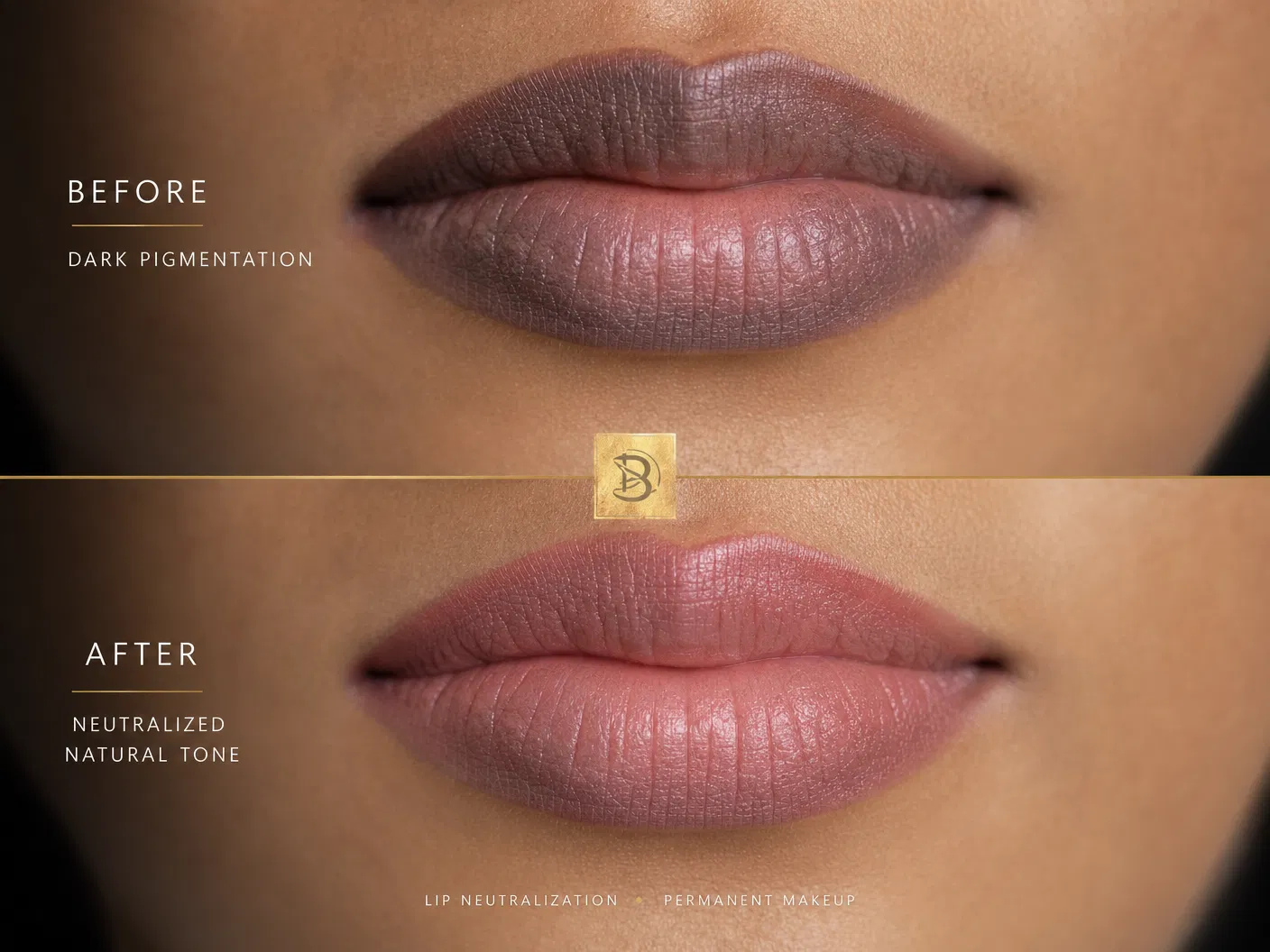
First, define what “gone wrong” means
People use “gone wrong” for several situations: a fresh color that looks alarming, uneven retention after healing, an unwanted undertone, an unnatural border, persistent irritation, or old pigment that has changed. Those situations do not have one universal fix. Some need patience, some need a cosmetic assessment, and symptoms suggesting an adverse reaction or infection need a healthcare professional rather than another tattoo session.
Write down the procedure date, the products used if known, your artist’s instructions, and what has changed. Take clear photographs in consistent lighting without filters. That record is more useful than repeatedly comparing your lips with fresh social-media photos from other clients.
An intense early color is not the final color
Lip neutralization commonly uses a warm corrective direction to balance an existing cool, brown, purple or uneven base. Newly treated lips can therefore look much warmer or brighter than the requested settled color. Swelling, dryness and flaking may also make the color appear uneven while the lips recover.
Do not judge the result from a first-day photograph or peel loose skin. Follow the aftercare given for your procedure and contact the original artist if the pattern is unclear. Eugene Kay Beauty’s current dark-lip guide describes reviewing the healed base around six to eight weeks before deciding whether another neutralization layer or a later target color is appropriate. Your timeline may differ if the area has not healed normally.
Know when this is no longer only a color question
Cosmetic tattooing breaks the skin, so a problem that is not healing should not be treated as a pigment mismatch. The U.S. Food and Drug Administration lists infection, allergic reactions, granulomas, keloid formation and removal problems among tattoo risks. FDA guidance advises contacting the tattooist and a healthcare professional if the area does not seem to be healing or if a rash develops, especially when fever is present.
Seek medical guidance promptly for worsening symptoms, fever, spreading redness, a rash or bumps, drainage, severe or increasing pain, or another reaction that concerns you. Do not ask a cosmetic artist to diagnose or medicate the problem, and do not cover an active reaction with more pigment. Ask for the pigment brand, color and lot information when available; FDA guidance notes that these details may help identify the source of a reaction.
- Fresh warmth or mild early unevenness may be part of healing, but it still deserves communication with your artist.
- A result that is not healing, a rash or systemic symptoms belongs with a healthcare professional.
- Corrective tattooing should not hide an active medical problem.
If the lips are healed but the color is wrong
After the surface has healed and the color has settled, identify the exact concern. Is it across both lips or only certain areas? Is it a warm undertone, persistent darkness, a cool or muddy cast, patchiness, excessive saturation, or a shape issue? Those distinctions affect whether adding pigment could help, make the result heavier, or obscure the real problem.
Neutralization adds pigment; it does not erase existing pigment or natural melanin. Another warm layer is not automatically the solution. If there is substantial saturation, pigment outside the natural lip tissue, migration, scarring, or repeated correction attempts, Eugene may recommend waiting, obtaining a medical or removal assessment, or declining further tattooing. No ethical consultation can promise that every case is correctable.
Patchiness and border problems need different plans
Patchiness can mean light areas, dark areas, uneven borders or sections that retained different tones. Before booking a touch-up, compare the healed result with the original plan and identify the smallest change you want. “Make everything darker” may turn a limited problem into an over-saturated one.
Color correction and shape correction are also different. If pigment sits beyond the natural lip tissue, filling the lips more heavily may not make the border look natural. Bring photographs showing the full mouth at rest. FDA information emphasizes that permanent makeup can be difficult to remove and complete removal without scarring may be impossible, so do not begin removal or another cover-up based on a quick online recommendation.
What to bring to a correction consultation
A responsible assessment starts with history, not a new pigment bottle. Share the procedure date, number of sessions, previous lip tattoos or removal attempts, original goal, current aftercare, known pigment information, cold-sore history, relevant medical conditions and medications, and unusual healing. Do not stop prescribed medication to qualify for a cosmetic appointment; discuss concerns with the clinician who prescribed it.
Send unfiltered daylight photographs if requested, but understand that photos cannot confirm candidacy. If possible, include images from before the procedure, immediately after, during healing and after the color settled. Ask what the evaluator believes is happening, what supports the plan, what could worsen, and why waiting or declining treatment might be safer.
- Procedure date and number of sessions
- Before, fresh and healed photographs in consistent lighting
- Pigment brand, shade and lot information if available
- Previous lip tattooing or removal history
- Symptoms and any medical evaluation already received
- The one change you most want
Questions to ask before corrective pigment
Ask to see healed work relevant to your concern, not only fresh lips. Confirm whether the plan is continued neutralization, a later decorative lip-blush shade, a limited adjustment, or no tattooing. Ask which areas would be treated, when the result would be reassessed, and what would make the artist stop.
Clarify the current quote and what it includes. Do not assume another artist’s work qualifies for a routine touch-up or that one session will solve it. If an artist guarantees an exact shade, dismisses symptoms, recommends immediate tattooing over unhealed skin, or cannot explain the purpose of the next pigment layer, pause before proceeding.
A Studio City consultation at the Burbank studio
Eugene Kay Beauty is located at 1508 W Verdugo Ave, Burbank, CA 91506 and accepts consultation requests from Studio City and the wider Los Angeles area. A correction consultation is meant to understand the existing pigment, tissue condition and realistic options—not promise a cover-up before assessment.
Message Eugene Kay on Instagram at https://www.instagram.com/eugenekay.beauty/ for consultation and booking. Include when the procedure was done, whether the lips are fully healed, what concerns you most, and any previous lip tattooing. If you have worsening symptoms or the area is not healing, contact a healthcare professional first.
Explore Services and Los Angeles Areas
Related Los Angeles Guides
Frequently Asked Questions
Why do my lips look orange after neutralization?
A fresh warm tone can reflect the corrective direction used to balance a cool or dark base, and fresh pigment appears stronger than settled color. Follow your artist’s aftercare and request a healed assessment.
Can patchy lip neutralization be corrected?
Sometimes a healed, lightly saturated result may be adjusted, but no correction is guaranteed. The artist must assess pigment, natural lip tone, shape and tissue condition first.
Should I add more pigment immediately if I dislike the color?
No. Tattooing unhealed lips can add trauma and make the result harder to evaluate. Wait for the instructed healing period unless a healthcare professional advises otherwise.
Can Eugene fix work done by another artist?
Eugene can assess it, but consultation does not guarantee tattooing. The recommendation may be to wait, avoid more pigment or seek a qualified medical or removal assessment.
When should I contact a healthcare professional?
Contact one if the area is not healing or a rash develops, and seek prompt guidance for worsening pain, spreading redness, drainage, fever or another concerning reaction.
References
Request a Healed Lip Assessment
Message Eugene Kay on Instagram @eugenekay.beauty for a consultation and booking. Include the procedure date, whether the lips are fully healed, previous lip tattooing, and the specific color or shape concern. Appointments take place at the Burbank studio.